Publication is a vital, mandatory phase in the patenting process. It signifies the transition from a confidentially filed patent application to a publicly accessible legal document. It makes the details of the invention public, which then makes it a part of prior art and can be used for preventing others from patenting similar technology.
Publication serves both policy and procedural functions within the patenting ecosystem— it balances the inventor’s rights vis-a-vis that of public interest in full technological disclosure. While it does not mean the patent is granted, it allows the applicant to claim provisional rights.
It is clear that publication enhances transparency, invites public participation, establishes provisional rights of inventors and applicants, and advances the broader objective of technological progress through full, structured and enabling disclosure.
Prior to publication, the patent application and the details of the invention therein are held confidentially within the patent office. Upon publication, full specifications, drawings, abstract, and other details of the invention become available to and accessible by the public through official journals or online databases.
Key aspects of the patent publication process include:
Publication of the patent application has significant legal implications. First and foremost, the publication serves the public notice function of the patent system. It informs competitors, researchers, inventors and the general public about pending rights and emerging technologies. It reduces uncertainty in the marketplace and allows other inventors and third-parties to assess freedom-to-operate risks.
Then again, from the publication date, the applicant acquires provisional rights despite the pendency of patent grant. This means that the applicant or inventor can claim reasonable royalties or damages from infringers for acts of commission after the publication date, provided the patent is eventually granted. Nevertheless, the enforcement of exclusive rights through a patent infringement lawsuit can only commence after the formal grant of patent for the invention.
Publication further fulfils the very foundational quid pro quo of patent law: full disclosure in exchange for exclusivity. By making technical information publicly available, the system promotes dissemination of knowledge and prevents duplication of research efforts. Even if the patent is ultimately refused or abandoned, the details of the published application become a part of the prior art, thereby affecting future patentability assessments.
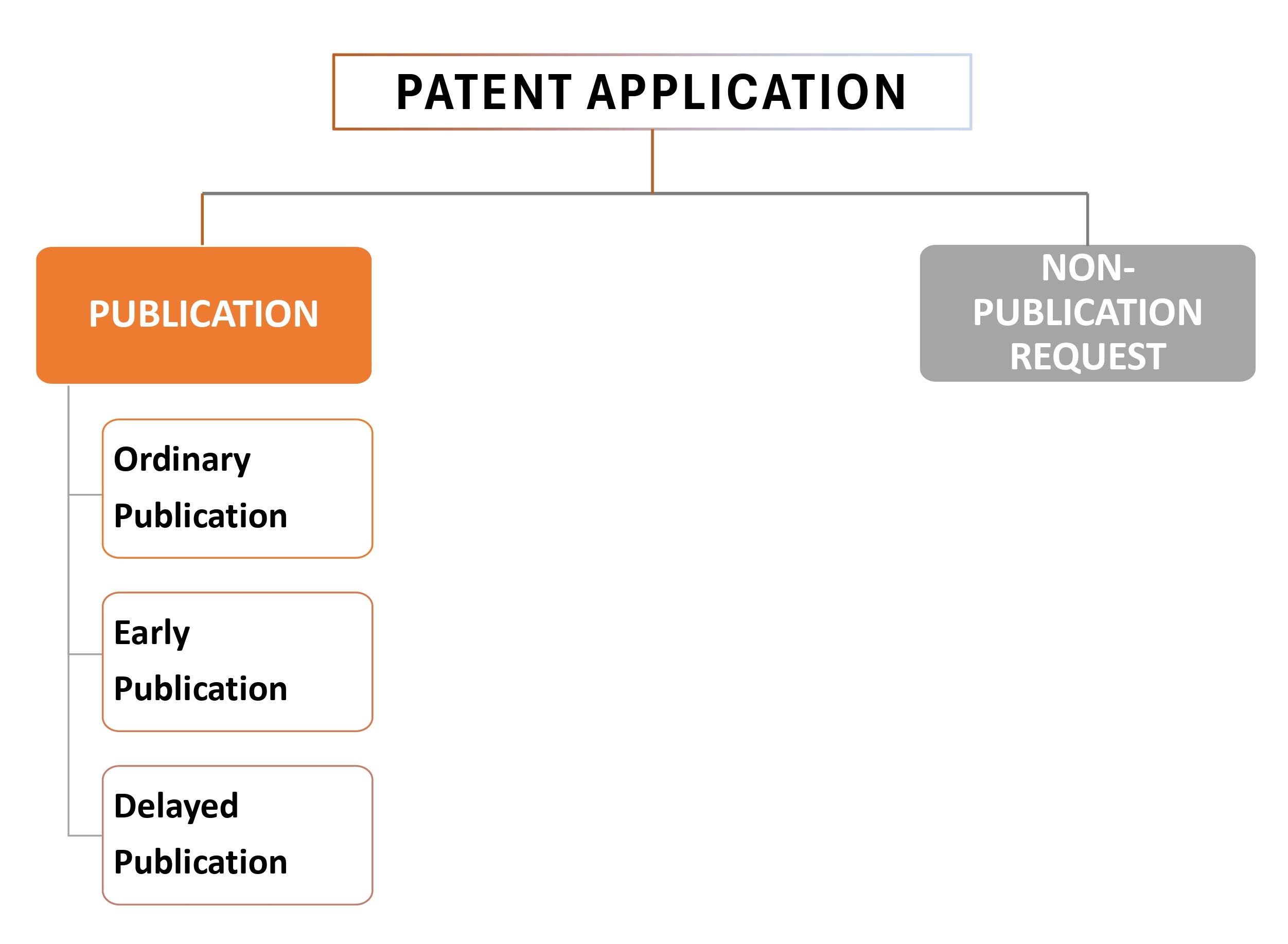
In several jurisdictions and internationally under the Patent Cooperation Treaty (PCT), an application is automatically published after the expiry of 18 months from the filing date or the earliest priority date. This is known as “ordinary publication.”
Applicants may also request “early publication,” which typically happens within a prescribed short period after such a request is filed. Some countries permit delayed publication under special circumstances. Under US patent law, applicants may even opt out of publication by filing a Non-Publication Request.
In many jurisdictions, pre-grant opposition to and filing of third-party observations on the patent application is permitted post publication. The scrutiny of patentability requirements improves patent quality. This is reflective of a public-interest oriented system. In Europe, third parties cannot formally oppose the grant of a patent; they can only file observations. In US too, pre-grant submissions—narrow in scope, though—are allowed.
Thus, publication is a pivotal step and a vital procedural milestone in patent application processing.
At BLAZEVENTURES, we have elaborate processes and qualified professionals for assisting inventors and enterprises obtain patent rights effectually for their ideas, inventions and innovations.