Patents grant inventors a limited monopoly—typically lasting 20 years—for monetizing their inventions. The protection incentivizes innovation and encourages technological advancement.
Patent infringement occurs when a third party uses, sells, makes, offers for sale, imports, imitates or otherwise commercially exploits a patented invention without the patent holder's consent, which has serious financial and competitive consequences. It is immaterial whether the patent was stolen, intentionally copied or otherwise maliciously infringed. So too, the nature or type of infringement.
The litigation process begins when the patent owner (plaintiff) files a lawsuit in a court of first instance, having original jurisdiction over the subject matter—generally, a federal, district, provincial or other civil court of evidence or tribunal, depending on the applicable laws of the region or country—against the alleged infringer (defendant) to stop the infringement, enforce rights, seek damages and claim financial compensation.
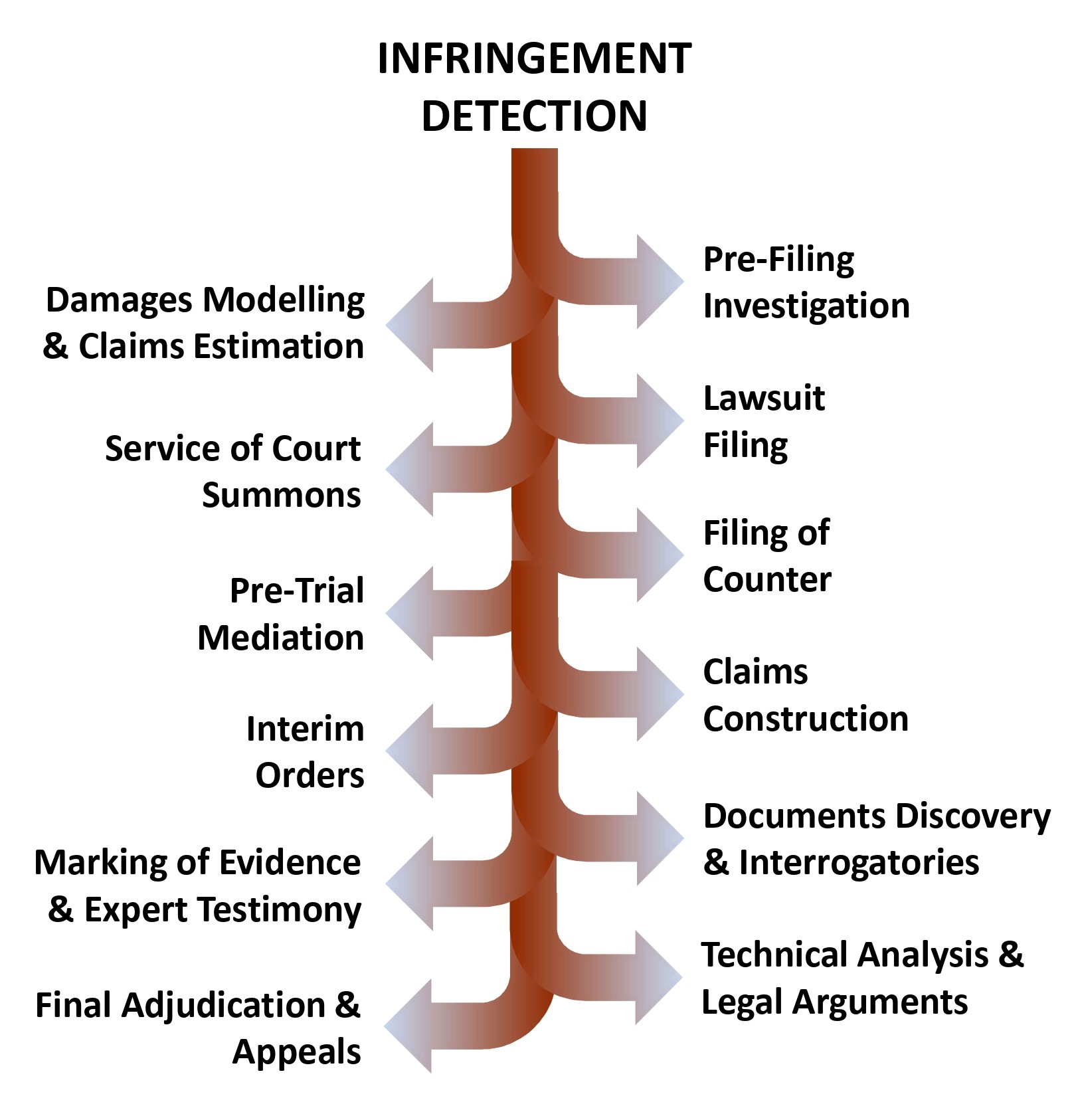
The process determines the infringement, scope of damages and potential remedies, such as, monetary compensation or injunction to stop the infringement. To succeed, the plaintiff must not only demonstrate that the patent’s validity, but also establish that the defendant’s product or process falls within the scope of one or more claims in that patent.
In response, the defendant may deny infringement, challenge the validity of the patent itself and even argue that the patent is unenforceable due to misconduct. The admissions and denials in the counter determine the issues between and contentions of the parties, which are then adjudicated.
A key aspect of the judicial intervention is “claim construction”, which entails interpreting the specific language used in the patent claims. This determines the scope of legal protection and often dictates the outcome of the case.
Courts in the US conduct a “Markman hearing”—a crucial stage wherein the judge (not jury) decides how the claims should be interpreted. In other countries, based on the admissions and denials of the defendant, the judge frames issues, which are then adjudicated upon in the trial.
Other key elements include pre-trial mediation (court mandated or by statute), damages modelling, claims estimation, marking of evidence, discovery of documents, interrogatories, etc. If the case proceeds to trial, it may involve interim orders, expert testimony, technical analysis, interlocutory applications and legal arguments.
Parties often opt to amicably settle out of court through licensing agreements and through other negotiated or mediated and mutually-beneficial resolutions. However, if the suit goes to trial, the outcome can significantly impact both parties—financial repercussions aside, it may even disrupt operations.
Cases can be adjudicated by a judge (bench trial) or a jury (jury trial). If the infringement is confirmed during trial, the court may award damages to the patent holder. This may include compensation for lost profits or reasonable royalties for the unauthorized use. In cases of wilful, mala fide infringement, compensation awards can be higher. Plaintiffs too run the risk of the patent being declared invalid.
Courts may issue injunctions too to stop the infringing activity. But, in the USA, injunctive reliefs are less common following the Supreme Court’s decision in eBay Inc. v. MercExchange (2006), which imposed stricter standards for grant thereof.
Frequently, litigation is used strategically to intimidate competitors, deter their market entry, assert market dominance or discourage competition. Such litigation is commonly initiated by non-practicing entities (NPEs), also referred to as patent trolls, who do not actually make or sell products, but only seek to profit through litigation.
Many companies invest heavily on IP protection, making it a crucial aspect of competitive strategy in technology-driven industries. Further, the global nature of commerce and the rapid pace of technological progress have resulted in a rise of international patent disputes; this adds complexity to rights enforcement and remedies for unauthorized exploitation of patents across jurisdictions.
Patent infringement litigation, therefore, is a pivotal mechanism in the technology ecosystem for protecting intellectual property, deterring unauthorized use, enforcing exclusive patent rights, fostering innovation, resolving disputes, safeguarding R&D investment, retaining market share and maintaining fair competitive landscape.
Despite being complex, cumbersome, time-consuming and expensive, this legal process helps uphold the balance between innovation and public access in modern economies requires expertise in both legal and scientific matters.
At BLAZE VENTURES, we have elaborate processes and qualified professionals for advising inventors and enterprises on “patent infringement litigation” cases and trials.