Examination is the critical, intellectual core of the patenting process. During this important phase, a patent examiner reviews the filed application to verify if it meets patentability criteria—novelty, non-obviousness, industrial applicability, clarity of claims and sufficiency of disclosure.
While a patent application filing secures a priority date, its publication makes the invention publicly visible. It is examination of the invention though that determines whether it truly deserves the sweeping monopoly rights conferred by a patent.
In many jurisdictions, such as Japan, India, Canada, China, South Korea, etc., substantive examination of an application is initiated only after a formal request therefor is made.
The process begins with a "Request for Examination". The full-specifications application, and other documents relating thereto, will be referred by the competent authority to an examiner. A patent examiner then conducts a prior art search and evaluates the application against statutory stipulations.
On the basis of a detailed, substantive review of the claims, specifications, and drawings in the patent application, the examiner issues a report outlining the result of his legal and technical scrutiny.
The report of the examiner documents lawful objections, if any, to the patent grant; deficiencies in the application; and, details of any anticipation by prior publication of the invention and previous claims filed therefor. Patent examiners assess whether the specification enables a person skilled in the art to reproduce the invention without undue experimentation.
The applicant must respond to the examination report in a time-bound manner, often amending claims or submitting arguments to counter objections. This back-and-forth communication, referred to as (pre-grant) patent prosecution, continues until the application is either allowed or finally rejected.
The report of the examiner is not open to public inspection, and is not liable to production or inspection in any legal proceeding except by order of the court. It has been held that there is no power to amend the report of the examiner or to expunge from it something which originally formed part of it[1].
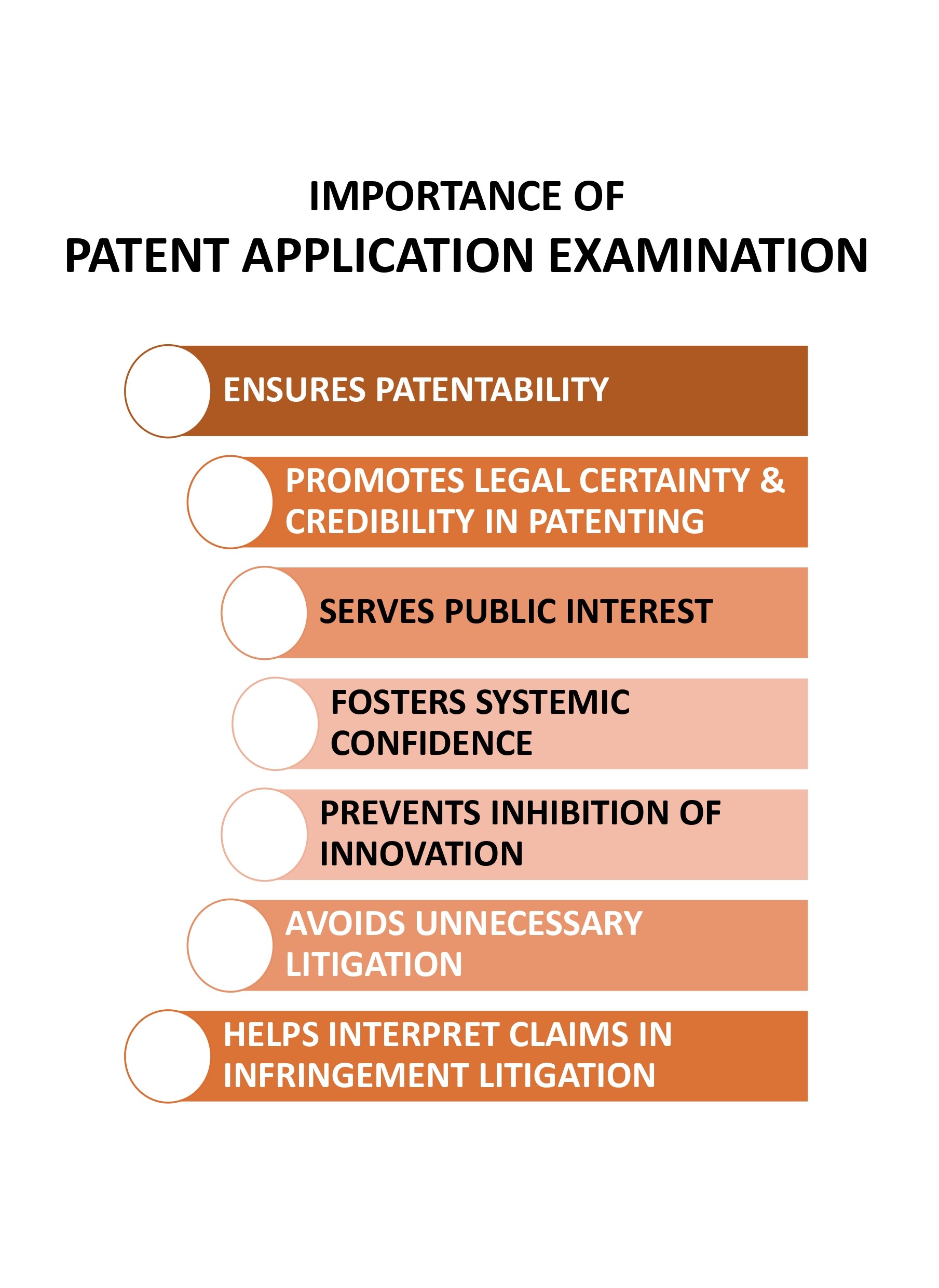
This scrutiny is essentially a quality control mechanism. It ensures that only inventions that enhance state of the art get patent protection and receive exclusive rights for 20 years thereunder. If granted without proper review, weak and invalid patents can stifle innovation, block competition, and, fuel unnecessary litigation.
The examination process promotes legal certainty and credibility. By requiring applicants to respond to objections and clarify claim language, the process sharpens the scope of protection; besides the patentee, it benefits competitors, investors, and courts also. The examination record, including office actions and responses, often becomes an important interpretive tool in later infringement or validity disputes.
The process serves public interest too. Patent law embodies a delicate balance: between the temporary monopoly for inventor in exchange for full disclosure of the invention. This requirement ensures that, once the patent expires, the public can freely use the disclosed knowledge.
Finally, in case of cross-border filings, under mechanisms such as the Patent Cooperation Treaty, diligent national examination fosters mutual confidence among patent offices and reduces duplication of effort.
The examination is not a mere procedural step. It is a safeguard that ensures patents are granted only for truly novel and useful inventions in compliance with patent laws. It enforces fairness and integrity of the patent regime.
A robust system of objections and amendments filters out unmeritorious applications. It refines inventions, thereby enhancing the overall validity of granted patents. Without such rigorous examination, the patent system would risk granting exclusive rights over ideas that are unoriginal, obvious, or insufficiently disclosed, thereby undermining innovation and competition.
At BLAZE VENTURES, we have elaborate processes and qualified professionals for assisting inventors and enterprises file their responses during the pre-grant patent prosecution phase of the patenting process.
____________
[1] T’s Application, In re, (1925) 42 RPC 505.