Pharmaceutical companies invest huge sums of money on the research and development of life-saving medications. In the result, patenting is a vital aspect of the pharma industry, since it helps create and protect intellectual property and affords them with exclusive rights over drugs and medicinal formulations for a specific duration.
This exclusivity is vital for recouping the extensive investment in R&D, which encourages further investment in new, life-saving medications. Without patents, competitors could immediately copy a drug, thus impeding the recovery of costs of research for the innovator company and deterring the funding of future research.
However, pharma companies have to ensure that their claimed inventions meet the exacting requirements for patentability, failing which they run of risk of their patents being invalidated in post-grant prosecution. Sandoz AG & Ors. v. Bayer Intellectual Property GmbH & Ors. [2024][1] case is a classic example of patent invalidation for failure to meet patentability criteria, including non-obviousness.
The Sandoz lawsuit was in respect of Bayer's drug rivaroxaban (brand name ‘Xarelto’), which was used for treating thromboembolic disorders. The core compound patent, besides a supplementary protection certificate, was nearing expiry. But Bayer also held a “follow-on” patent covering a once-daily, rapid-release tablet regimen of rivaroxaban.
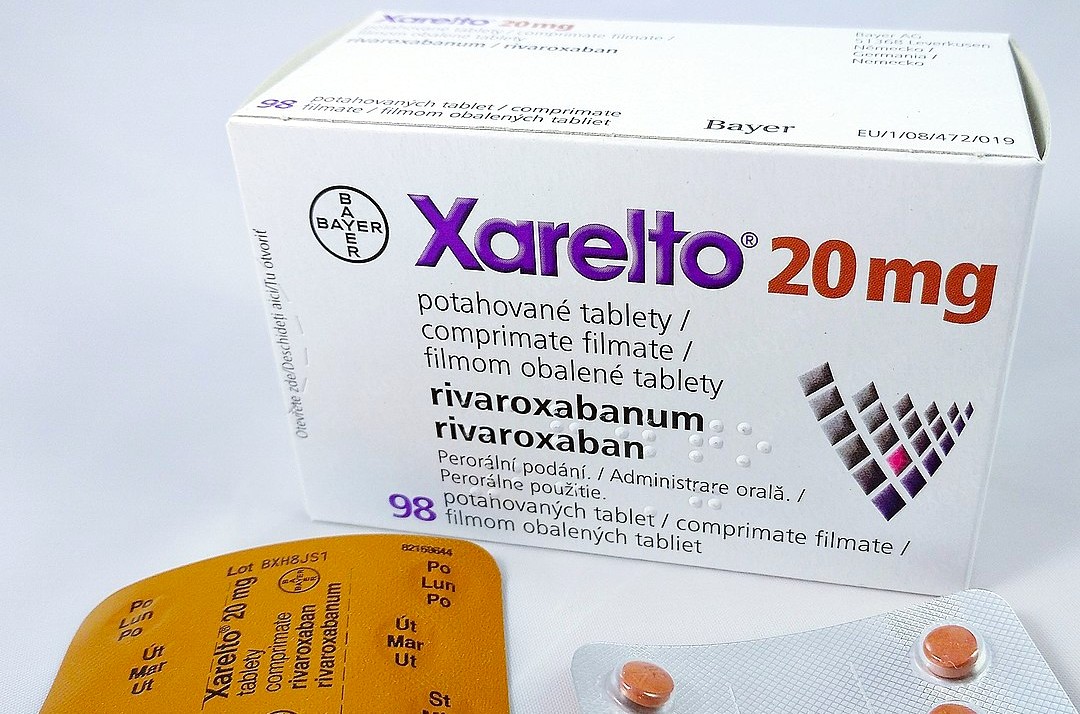
Sandoz (and others) wished to manufacture and supply generic rivaroxaban. Whereas Sandoz initiated the proceedings seeking an order for revocation of Bayer’s follow-on patent, Bayer counterclaimed for threatened infringement.
The Claimant-Respondents (Sandoz and Ors.) main grounds were lack of inventive step (obviousness), insufficiency of disclosure and amendments (added matter).
The key legal issues that the High Court ruled on the original action[2] were:
The court reiterated that a “claimed invention lacks an inventive step, and therefore…invalid, if it would be obvious to the skilled person or team having regard to prior art…” In the Bayer case, the judge opined that the skilled team would have been aware of the clinical advantages and potential financial benefit of a once daily tablet. Safety concerns (e.g., bleeding risk) were acknowledged, but they did not create a technical barrier sufficient to make the once-daily regimen non-obvious.
It held that reading the prior art (phase I data), including specifically a poster presented at a scientific conference, the skilled team would likely have considered it obvious to conduct a phase II trial including such a ‘once-daily dosage’ regimen with a reasonable expectation of success in developing it.
Therefore, the court had ordered that Bayer’s patent be revoked, for it lacked inventive step. Bayer filed its appeal against the order before the Court of Appeal (Civil Division).
The court ruled that there was no dispute on the applicable legal principles. It observed that obviousness involves a multi-factorial evaluation and that the first instance judge made no error of principle in his assessment of obviousness; his ruling was grounded inexpert evidence.
.jpg)
A key point discussed in legal commentary was the role of ethical considerations— Bayer argued that the risk, involved in testing once-daily dose in vulnerable patients, would discourage the skilled team from considering it. The court, however, treated expectation of success as a technical matter, not one to be overly influenced by ethical or safety concerns.
After appreciating the facts of the case, the court dismissed Bayer’s appeal. It reckoned that: “obviousness is to be objectively assessed from the perspective of the skilled person…manner in which the inventor(s) actually arrived at the invention is legally irrelevant…”.
The rulings in the main patent case did not establish a new precedent; however, it applied settled law on obviousness and reaffirmed existing legal principles, especially in the context of pharmaceutical patent claims. The judgment reinforces a strict standard for inventive step in pharmaceutical follow-on patents.
The invalidation of Bayer’s follow-on patent may facilitate competition, because generic manufacturers (like Sandoz) can enter the market more easily once the core patent expires. Other related, procedural rulings in the case reflect a practical stance favouring even the disclosure of relevant and easily obtainable documents (such as conference papers) and the ‘liberal assessment’ of damages in patent litigation.
At Blaze Ventures, we have qualified professionals and elaborate processes for ensuring follow-on inventions of pharmaceutical companies and inventors are held “non-obvious”.
____________
[1] 2024 EWCA Civ 562
[2] Sandoz AG & Ors. v. Bayer Intellectual Property Gmbh & Ors. [2024] EWHC 796 (Pat)